
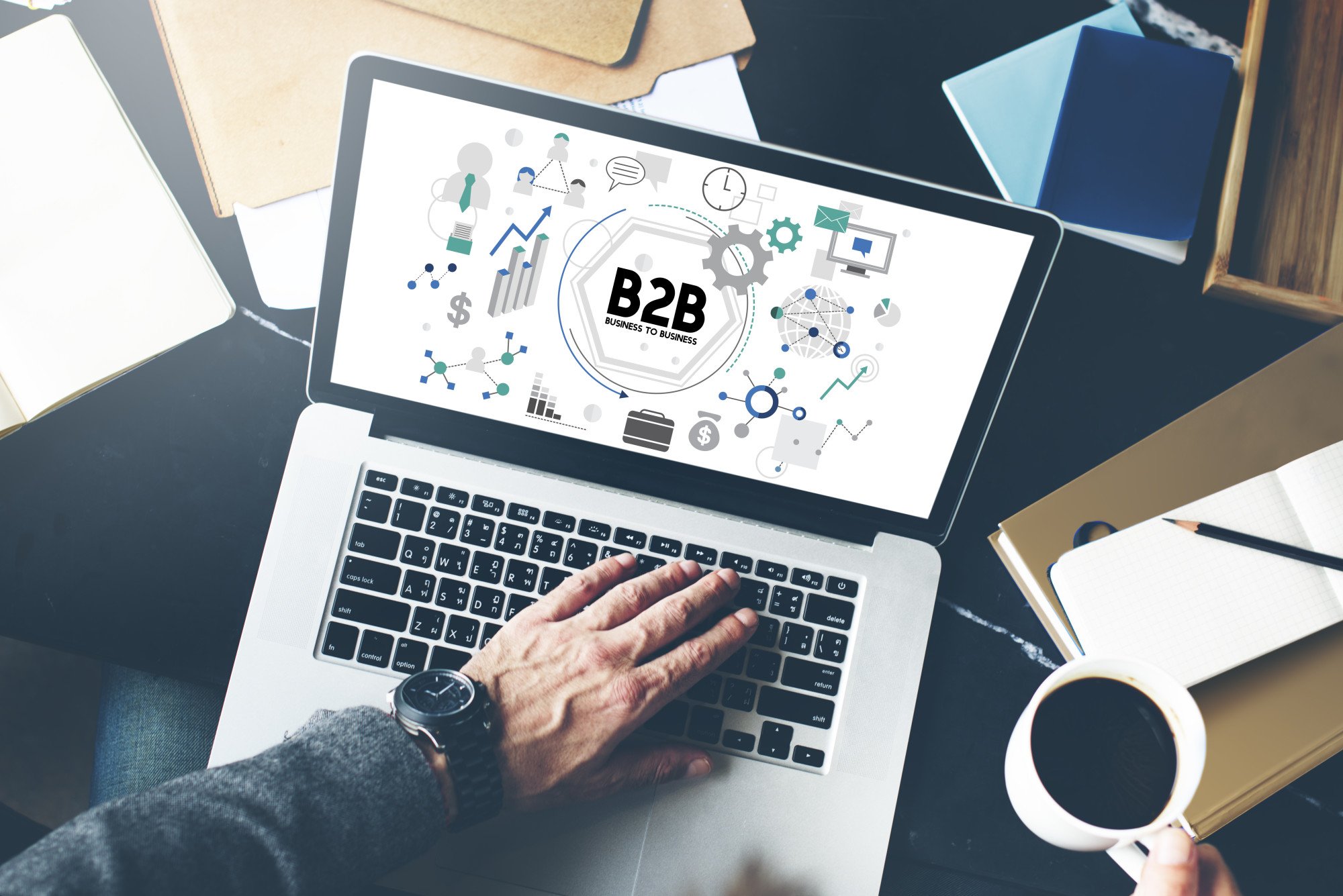
Let’s talk about B2B eCommerce website development. It’s a big deal in the business world today.
Why? Because more and more, businesses want to do their buying and selling online. It’s faster, easier, and can reach more people. So, if you’re in business, having a great website isn’t just a nice thing to have; it’s a must.
In this guide, we’ll walk you through how to make a B2B eCommerce website that’s not just good but great. We’ll cover everything from making your website easy to use to keeping up with the latest trends and making sure your site is safe and can grow with your business.
We’re going to make it simple to understand and show you how to get your website to stand out. Let’s dive in!
The Evolution of eCommerce Companies
The journey of eCommerce companies is like a story of constant transformation and growth. In the early days, eCommerce was all about simple online transactions – buying and selling goods on the Internet.
But fast forward to today, and it’s a whole different ball game. Now, eCommerce is a complex network filled with various services that cater to a wide range of business needs. This evolution is particularly significant for B2B companies.
For these businesses, adapting to new technologies and understanding evolving consumer behaviors has become crucial. It’s not just about selling a product or service online anymore. It’s about understanding and leveraging the power of digital tools to enhance customer experience and engagement.
B2B companies must keep a close eye on the latest website trends – be it in design, functionality, or customer interaction. These trends are not just fads; they reflect the changing expectations of customers in the digital age.
A website that looked cutting-edge a few years ago might now be outdated. That’s why staying updated is essential for survival and growth. In this rapidly changing digital landscape, B2B companies must evolve or risk being left behind.
Developing a Website for Today’s Market
Developing a website in today’s market goes beyond just having a digital presence. It’s about creating a memorable and effective online experience for your clients.
This means your website shouldn’t just be user-friendly; it needs to be efficient and tailored to the specific needs of your business clients. Think of it as crafting a digital journey that mirrors the unique values and services of your business.
To do this effectively, you need to dive deep into understanding your clients. Ask questions such as:
- What are their pain points?
- What kind of information are they looking for?
- How do they prefer to interact with your website?
Answers to these questions will help you design a website that’s not just a portal but a solution to your clients’ needs. It’s about creating an intuitive, seamless experience that makes finding information, making decisions, and purchasing as easy as possible.
Moreover, in today’s market, your website also needs to stand out in the crowded digital space. This requires a blend of creativity, technical prowess, and a keen understanding of your industry’s landscape.
By creating a website that is visually appealing, easy to navigate, and rich in valuable content, you can capture the attention of your clients and keep them engaged. Remember, in the digital world, your website is often the first impression potential clients have of your business. Making this impression count is critical in developing a successful B2B eCommerce platform.
The Importance of User Experience
When it comes to building a website, focusing on user experience (UX) is not just a good practice; it’s essential. A great user experience can be the deciding factor between a one-time visit and a loyal customer.
Think about a website you love using. It’s likely easy to navigate, loads quickly, and you can find what you need without any hassle. That’s the kind of experience you want to give your users.
But it’s more than just making things easy. It’s about creating an environment where your customers feel valued and understood. This means paying attention to every detail – from the layout and design to the way information is presented.
Simple navigation, quick loading times, and clear call-to-actions are the cornerstones of good UX. These elements make your website not just usable, but enjoyable.
Furthermore, a pleasant user experience can lead to increased customer satisfaction, which often translates into more sales and repeat business. If your website is a pleasure to use, customers are more likely to return and even recommend it to others.
In the world of B2B, where relationships and trust are key, delivering an exceptional user experience can set you apart from the competition.
Leveraging the Latest Website Trends
Keeping up with the latest website trends is not just about being stylish; it’s about staying relevant and competitive in a rapidly evolving digital world. The latest trends often reflect the newest advancements in technology and changes in user behavior.
By incorporating these into your website, you’re not just updating its look; you’re enhancing its functionality and improving user engagement.
For instance, responsive design ensures your website looks good and works well on any device, be it a desktop, tablet, or smartphone. In a world where mobile browsing is increasingly common, this is no longer optional – it’s a necessity.
Then there are chatbots, which can provide instant customer service and support, improving user engagement and satisfaction. And let’s not forget about advanced analytics. These can give you invaluable insights into how users interact with your site, allowing you to make informed improvements.
Adopting these trends can help your website stand out by making it more user-friendly, efficient, and modern. Remember, a website that keeps up with trends is more likely to attract new customers and retain existing ones. It shows that your business is forward-thinking and committed to providing the best experience for your users.
In the B2B sector, where decisions are often based on trust and credibility, a trendy, up-to-date website can be a powerful tool in building and maintaining these essential relationships.
Balancing Customization with Efficiency
In the world of B2B eCommerce, finding the right balance between customization and efficiency is a crucial challenge. On one hand, your website must cater to specific customer needs, offering personalized experiences that speak directly to their unique requirements.
On the other hand, it’s essential to maintain a level of operational efficiency that keeps your business running smoothly and cost-effectively. Striking this balance is a delicate art.
Customization is all about making each customer feel like the website was built for them. Whether it’s personalized product recommendations, tailored content, or specific user interfaces, customization can significantly enhance user experience.
However, this shouldn’t come at the cost of efficiency. Your website still needs to be fast, reliable, and easy to manage.
This is where intelligent design and automation tools come into play. By using data-driven insights and the latest in technology, you can create a website that automatically adjusts to user preferences and behaviors, while keeping backend processes streamlined.
The goal is to provide a personalized experience for the user, without creating extra work or complexity on your end. Automation in areas like customer service, content management, and data analysis can help maintain this balance. They ensure a seamless experience for both you and your customers.
Keeping Up with Changing Customer Expectations
In the ever-evolving landscape of eCommerce, staying attuned to changing customer expectations is vital. The needs and preferences of customers today are not what they were a year ago, and they will continue to evolve. Your website needs to not just keep up with these changes but anticipate and adapt to them proactively.
One of the most effective ways to stay in tune with customer expectations is through regular feedback. Encourage your customers to share their thoughts and experiences. This feedback is a goldmine of insights, revealing what customers appreciate and what they feel could be improved.
However, gathering feedback is only the first step. The real challenge lies in being willing and able to adapt based on this feedback.
Adaptability means making changes to your website and business practices to better align with customer needs. This could involve updating your website’s design, adding new features, or changing the way you interact with customers.
The key is to be responsive and flexible, understanding that the goal is to provide the best possible experience for your customers. By regularly reviewing and adjusting your strategies based on customer feedback, you can ensure that your website not only meets but exceeds customer expectations. It will keep you ahead in the competitive world of B2B eCommerce.
The Importance of B2B eCommerce Website Development
B2B eCommerce website development is a journey that requires careful planning, execution, and ongoing maintenance. By focusing on user experience, staying current with trends, ensuring security and scalability, and balancing customization with efficiency, you can create a successful online platform that drives business growth.
We at Synaptech have been at the forefront of IT services and software solutions for 15 years. Starting with entrepreneurs and small businesses, we’ve grown to partner with large corporations.
Looking for an innovative B2B eCommerce website that truly stands out with professionalism? Reach out to us at Synaptech. Let’s work together to bring your ideas to life with cutting-edge technology.
Leave a Reply