
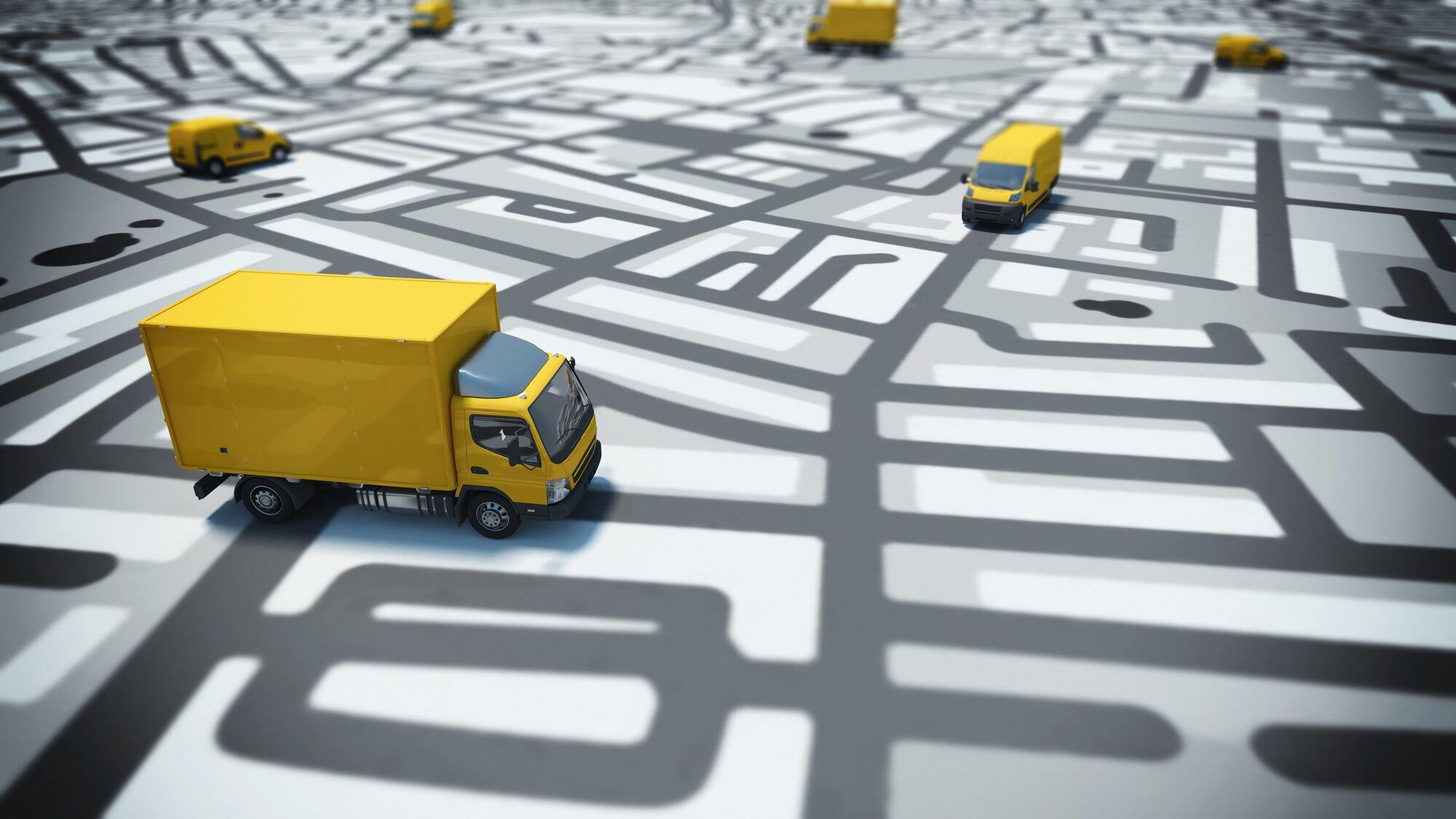
It’s estimated that there are nearly six million fleet vehicles used by businesses in the United States. Whether it’s restaurants relying on food deliveries or trucks carrying goods across the country, thousands of businesses rely on these fleet vehicles to operate.
Unfortunately, challenges are complicating the transport industry. Rising fuel costs, higher traffic, and supply chain issues mean many deliveries are delayed. One solution to this problem lies in dynamic route optimization.
So exactly what is dynamic route optimization? And what are some do’s and don’ts when implementing it into your company? In this guide, we’ll answer these questions so you can decide whether or not it’s the right fit for your drivers.
What Is Dynamic Route Optimization?
Before we learn more about the do’s and don’ts, it’s important to first understand exactly what dynamic route optimization is.
This form of optimization is a technological process that uses advanced algorithms to comb through data in real time to produce the most efficient transportation routes for businesses. Some of these factors might include things like:
- The traffic on any given day or time
- Weather conditions that might affect speed or traffic levels
- Delivery constraints like certain clients who might need their orders earlier than others
This form of optimizing your route is dynamic because these factors change on a daily and even hourly basis. The opposite of dynamic route optimization is static route optimization.
With this old form of delivery, you do try to optimize your routes the day or week before. However, you’re relying on a specific set of factors that you feed it.
It also assumes that conditions will be stable which simply isn’t realistic. One good example of dynamic route optimization is one of our clients, Foodjet. Foodjet wanted to make sure that their food was delivered to companies as quickly as possible.
So they used custom software to take advantage of an advanced algorithm. This allowed their drivers to find better routes in real-time instead of relying on pre-planned models.
What Are the Benefits of Dynamic Route Optimization?
Implementing dynamic route optimization can be costly, especially if you’re relying on custom software approaches. As such, many business owners rightfully want to know what tangible benefits come with adding dynamics to their route planning.
The first benefit is greater efficiency. Because you’re saving time with each order it means you can hit more delivery locations without having to bring more drivers and vehicles onto your team.
There’s also the cost-saving benefits. Fuel is already expensive and unfortunately, it’s predicted that gas prices will soon rise this year. And that’s not even counting the vehicle maintenance which can increase if your drivers are constantly starting and stopping in traffic.
Streamlined routes mean fewer instances of being stuck in traffic for hours which can save you thousands over a year. With dynamic optimization, you’re also going to get more on-time or even early deliveries.
This helps improve the reputation of your company and increase overall company satisfaction.
Lastly, it allows your business to be more flexible during days when other companies are experiencing delays. That way, you can quickly adapt to unpredictable events.
Some Do’s and Don’t When Implementing Route Optimization
Hopefully, by now we’ve convinced you that it’s worth the cost to invest in dynamic route optimization. However, it’s important to remember that there can often be a right and wrong way when approaching this solution.
By this, we mean that certain ways of implementing can end up costing you time and money for little to no tangible benefits.
So in this section, we’ll discuss some do’s and don’ts so you can make sure your dynamic route optimization is worth the cost.
Do: Plan What You Want From Dynamic Route Optimization
Before you begin implementing the dynamic route optimization it’s helpful to first define what you want to get out of it. For most businesses, this involves cutting down on the commute time of their delivery drivers.
The Census Bureau recently found that one-way commute times were at an all-time high. And as more drivers enter the road, that will likely only increase. So cutting down the miles needed to get to a specific delivery is a big goal for many companies.
However, other delivery or transportation companies might simply want a way to accurately predict when their deliveries will be arriving. They might want real-time updates for their clients, or advanced tracking features.
It’s important to define what you want so that you can find the perfect solution for your needs. This is especially true if you’re going down the custom software route because it will give your team the specific goals they need to build it into the route optimization software.
Don’t: Rely On Google Maps
At first glance, an application like Google Maps might seem like a good solution for your drivers. If you have one driver who only needs to make a few stops, they can plan multiple routes.
Plus, it’s free. However, if you’re dealing with five or more routes or multiple drivers, steer clear of this option. Google Maps doesn’t allow you to optimize the order of the routes. So you’ll need to manually rely on guesswork.
As such, your drivers are going to end up spending much more time on the road than they need to. And, as we’ve covered this leads to wasted fuel, upset customers, and more vehicle maintenance.
So if you’re relying on this app during the early stage of your business consider switching to something more scalable.
Do: Create Custom Software With a Trusted Provider
If you look for pre-made route optimization strategies you’re likely going to find some software providers who take the one-size-fits-all approach to route optimization. While this might work for some companies, it certainly isn’t the best way to go about implementing it.
That’s because every business has unique needs and operation methods. A cross-country trucking company is going to have a lot of different needs than a small cupcake bakery that wants to expand to delivery.
So if your budget allows, we almost always recommend taking the custom software application approach. That way, a team of engineers can create tailored solutions to your delivery route problems.
It can help you discover the full potential of your business in a way that pre-made software simply doesn’t allow.
Don’t: Pay for Software Development You Can’t Afford
We discussed the importance of custom software when it comes to dynamic route optimization. While it is something you’ll want to prioritize, you also don’t want to go into debt to make it happen.
That’s why it’s important to uncover a rough figure of what the software development will cost. This figure will vary depending on a variety of factors like the size and scope of the project, the specific features you want, and whether or not it requires ongoing support.
Because of this, it’s important to sit down and find out how much you can reasonably put aside for your budget. Explain this to your development team and see what they say.
Most developers will be willing to work with you to accommodate your budget. If they’re not you can either go elsewhere or think of a different solution to your route delivery problems.
Do: Collect Lots of Data
Dynamic route optimization relies on data to make more accurate predictions. Some of this data, like weather conditions, is out of your control to collect. However, other aspects like traffic congestion aren’t.
Your drivers should be tracking things like where they most frequently run into traffic, what time of day traffic is congested in certain areas, and shortcuts that save them time.
If you can feed this data to the algorithm you’re going to ensure that every aspect of your route is properly optimized.
Don’t: Create an Unbalanced Workload
It doesn’t matter how optimized your routes are. If you pile on tons of deliveries with a single driver while other ones have nothing to do, you’re going to lose money.
Not only that, you’ll likely also lose drivers because they’re overworked and fed up. Remember that it’s not just a matter of even distribution of deliveries.
You also need to consider things like how far certain deliveries are. One driver might have twice as many deliveries. However, if they’re all close to each other, they can usually knock them out just as fast.
Do: Train Your Employees
The last thing you want is to spend tons of money on dynamic route optimization software only for your employees who do not know how to use it. So once you get it set up make sure you set aside some time to train them. That way, they know all the ins and outs of using it.
Need Help Developing Route Optimization Software? Contact Synaptech
We hope this guide helped you learn more about the do’s and don’ts of implementing dynamic route optimization. Here at Synaptech, we know that different businesses will have different needs for their route optimization software.
A large corporation will require a lot more advanced software than a small business. That’s why we cater our software solutions specifically to your needs. So if you’re ready to cut your delivery time down, get in touch with us today.
Leave a Reply