
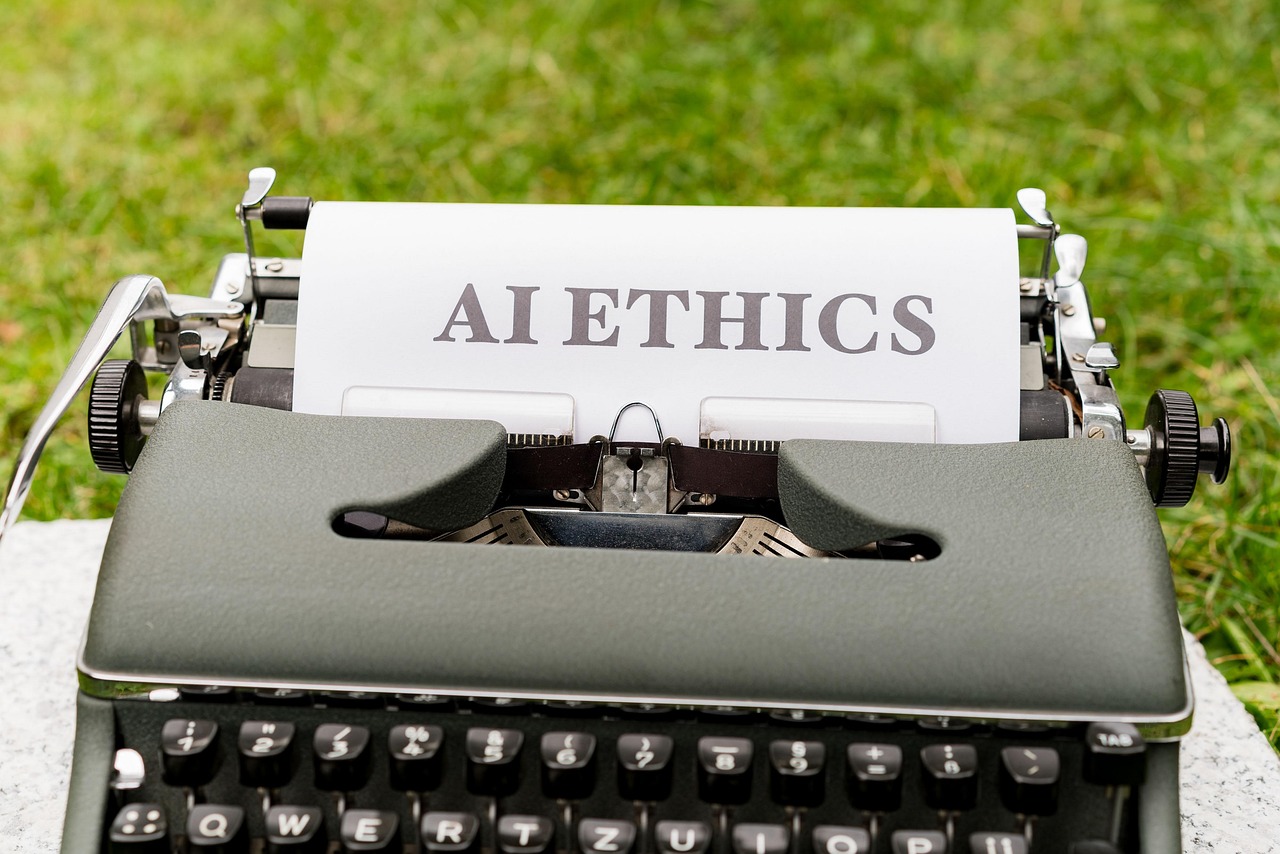
AI Ethics & Compliance: What Software Teams Need to Know
Artificial intelligence has gone from futuristic buzzword to everyday business tool. From customer service chatbots to predictive analytics, AI now powers decision-making across nearly every industry. But as adoption spreads, so do questions: Is it fair? Is it transparent? Is it safe?
AI’s power demands accountability. As regulators tighten oversight and customers demand transparency, companies must build systems that are not only smart — but ethical. At Synaptech, we help clients integrate AI responsibly, balancing innovation with integrity. Here’s what every business leader and software team needs to know about AI ethics and compliance in 2026.
1. The Rising Tide of AI Regulation
Governments worldwide are moving fast to regulate AI. The European Union’s AI Act, set to take effect in 2026, classifies systems by risk level — from low (like spam filters) to high (like medical diagnostics or facial recognition). High-risk systems must prove fairness, traceability, and human oversight.
In the U.S., agencies like the FTC and NIST are issuing guidelines around transparency and bias prevention. The message is clear: AI systems must be explainable and accountable. Companies that ignore these standards face legal exposure — and reputational damage.
2. Bias and Fairness Aren’t Optional
AI reflects the data it’s trained on. If that data contains human bias, so will the system’s output. Biased hiring tools, skewed loan approvals, or uneven facial recognition results can harm both users and brands.
Building fair AI starts with data hygiene: using diverse, representative datasets and monitoring outputs for skew. Teams should perform regular bias audits — just like security audits — and document results. Fairness isn’t a one-time checkbox; it’s an ongoing responsibility.
3. Transparency Builds Trust
Users deserve to know when they’re interacting with AI and how it makes decisions. Transparency includes clear disclosures (“This response was generated by an AI system”) and traceability — keeping records of model training data, updates, and decision logic.
Explainability tools like SHAP or LIME can help make complex models interpretable, turning black boxes into glass boxes. When customers understand how a decision was made, they trust the outcome — even if they disagree with it.
4. Data Privacy and Security Go Hand in Hand
AI thrives on data, but that doesn’t excuse sloppy handling. Compliance with GDPR, HIPAA, and CCPA is just the baseline. Teams should also adopt privacy-by-design principles: anonymizing data, minimizing collection, and encrypting sensitive information both in transit and at rest.
Establish strict access controls for training data and models. If you’re fine-tuning AI on customer data, make sure consent is explicit and auditable.
5. The Role of Human Oversight
AI doesn’t eliminate human judgment — it enhances it. Critical systems should always include a “human in the loop,” especially for decisions impacting safety, finance, or privacy. Oversight prevents automation bias (blindly trusting AI output) and allows teams to intervene when algorithms behave unexpectedly.
6. Ethical AI Is a Competitive Advantage
Ethical AI isn’t just risk management — it’s a brand differentiator. Consumers increasingly choose companies that align with their values. Businesses that lead with responsibility attract better talent, earn customer loyalty, and stay ahead of compliance shifts. Responsible AI is good ethics and good economics.
7. Building a Governance Framework
Implementing ethics isn’t about slowing innovation — it’s about systematizing it.
Best practices include:
-
Establishing an internal AI ethics committee
-
Creating documentation for datasets, models, and decisions
-
Conducting periodic third-party audits
-
Training teams on responsible AI practices
Governance ensures accountability and continuity as your AI systems evolve.
Final Thoughts
AI’s potential is limitless — but so are the consequences of using it carelessly. The companies that win in the next decade won’t just innovate faster; they’ll innovate more responsibly.
👉 Synaptech helps organizations deploy AI solutions that meet regulatory standards and ethical benchmarks. From model design to data privacy, we build systems you can trust — because the smartest AI is the one built with integrity.
Leave a Reply